迴避Avoid
Our view: expected 6-month return below -10%我們的看法:未來半年預期跌幅超過一成 (initial coverage, not investment advice第一次評估,不是投資建議)
Default path: Summary, Valuation, What to watch, Playbook (about 8 minutes). The full case is collapsed below; open it for the complete argument, the technology and the photos.預設動線:摘要、估值、觀察時間點、操作框架,約 8 分鐘;完整論證(含技術解說與機台照片)已收合,點開展開
Aehr 賣的是「晶片出廠前的高溫體能測驗」機器。AI 晶片越做越大、越貴,這個測驗變得越來越值錢,公司預估今年營收會變成去年的將近三倍。問題是股價跑得比營收還快。我們的看法:迴避,一年目標價 62 美元。 Aehr makes the machines that stress-test chips in heat before they leave the factory. As AI chips get bigger and pricier, that test is worth more, and the company expects this year's sales to be nearly triple last year's. The trouble is that the stock has moved faster than the sales. Our view: avoid, with a 12-month target price of $62.
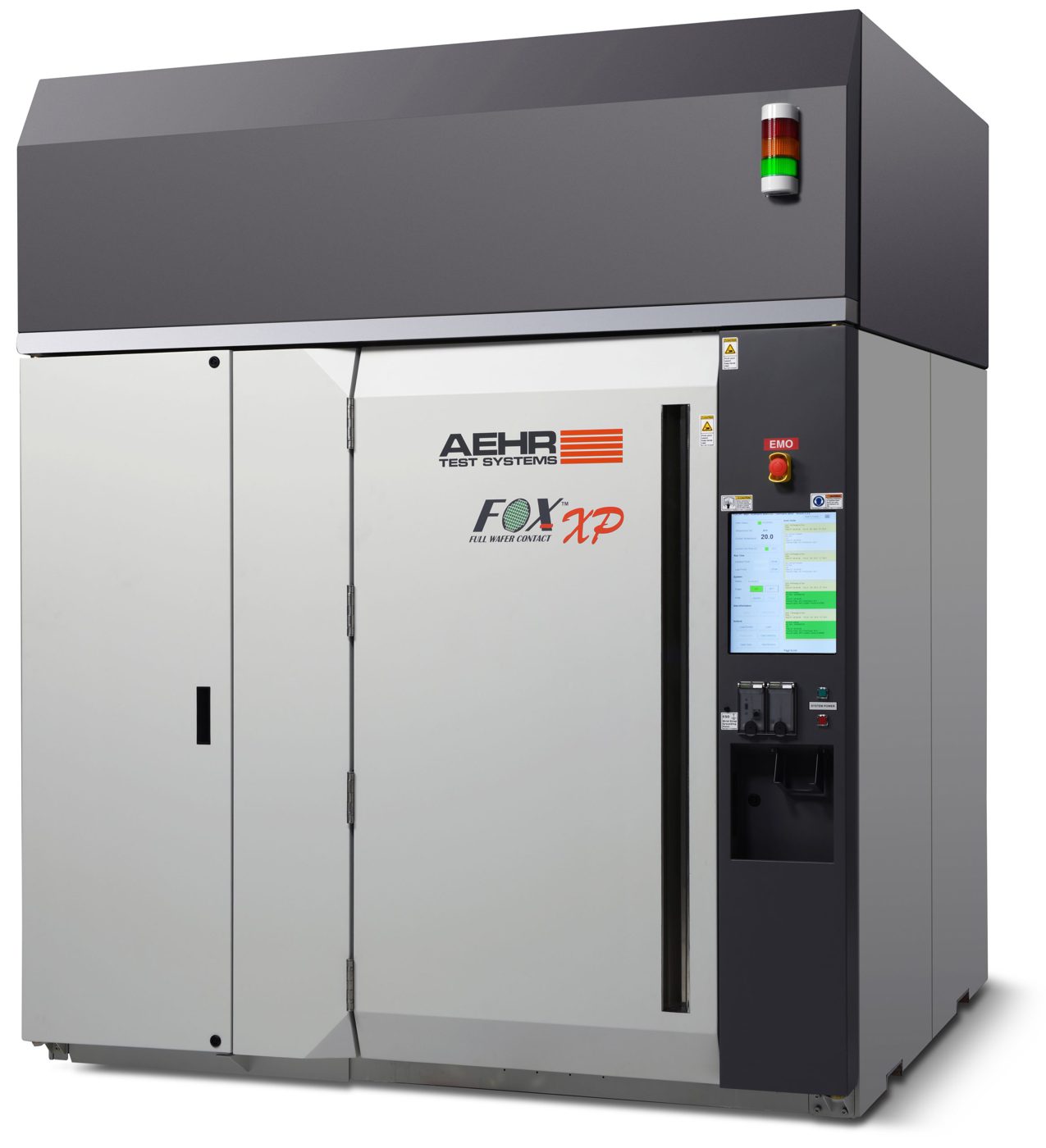
(1) Aehr makes a machine few people notice. Before a chip ships, it gets cooked at high heat and voltage for hours so the weak ones fail in the factory instead of in a customer's server. AI chips are expensive, and several are often sealed into one package, so one bad chip scraps the whole package. That makes this test more valuable every year.
1. Aehr 做一種很少人注意的機器:晶片出廠前,先把它放進高溫、高電壓裡「操」幾個小時,把會早夭的晶片先篩掉。AI 晶片很貴,而且常常好幾顆封在一起,一顆壞掉就整包報廢,所以這道測驗越來越重要。
(2) Aehr has a new set of customers. Two years ago, 95% of its revenue came from silicon carbide chips for electric cars; when that expansion wave ended, sales fell two years in a row. In fiscal 2026, AI processors and optical chips made up 90% of revenue. Last quarter it won $60.7M of new orders, more than three times its sales, and it expects $130M to $150M of revenue this year.
2. Aehr 的客戶已經換了一批。兩年前,它九成五的營收來自電動車的碳化矽晶片;那一波擴產結束後,營收連跌兩年。到了 2026 財年,AI 處理器和光通訊晶片占了營收九成。上一季接單(當季新拿到的訂單)6,070 萬美元,是營收的三倍多,公司預估今年營收 1.3 億到 1.5 億美元。
(3) But at a $3.2B market value, Aehr needs roughly $270M of sales in fiscal 2028, earned at mature-company margins, to justify today's price. That is close to our optimistic case. It has only two or three big customers. The last time this company rode one or two big customers, the stock then lost 86% over three years.
3. 但現在 32 億美元的市值,要 Aehr 在 2028 財年(Aehr 的財年是 6 月到隔年 5 月,不是日曆年)做到約 2.7 億美元營收、而且賺得像成熟公司一樣多,才站得住。這已經接近我們的樂觀情境。它的客戶只有兩三家,這家公司上一次也是靠一兩個大客戶暴漲,之後三年股價跌掉八成六。
Research view: avoid (expected 6-month return below -10%; not investment advice).
Target price: $62 (12 months).
Current price: $98.49 (Sep 28 close).
Distance to target: about -37%.
How the target was built: this analysis projects fiscal 2028 (June 2027 to May 2028) adjusted earnings per share of $1.24, times a 50x multiple.
Why 50x: fiscal 2023 is Aehr's only full year of normal profit, and that year the stock averaged about 45 times earnings. Fifty times pays a little extra for AI-driven growth. We stop there because sales hang on the expansion orders of two or three customers; one quiet quarter can cut profit sharply.
研究觀點:迴避(6 個月內預期報酬低於 -10%,非投資建議)。
目標價:62 美元(12 個月)。
現價:98.49 美元(09-28 收盤)。
潛在漲跌:約 -37%。
目標價算法:本研究預估 2028 財年(2027 年 6 月到 2028 年 5 月)每股盈餘 1.24 美元,乘以 50 倍本益比。
為什麼是 50 倍:Aehr 唯一一個獲利正常的完整年度是 2023 財年,那年股價平均約是獲利的 45 倍。給 50 倍,比它自己的歷史再高一點,是替 AI 帶來的高成長多付一些。不給更高,是因為它的營收靠兩三個客戶的擴產訂單,訂單停一季,獲利就會掉一大截。
What would prove us wrong: a top-tier AI chip maker turning its test evaluation into a production order, a memory (HBM) customer ordering early, or the main customers expanding faster than expected.
風險因子(對「迴避」這個判斷不利的事):一家頂級 AI 晶片商把測試評估轉成量產訂單、記憶體(HBM)客戶提早下單、主要客戶擴產速度比預期快。
Sources for this section: financials, backlog (orders taken but not yet shipped) and guidance come from Aehr's SEC earnings release and 10-K; call detail comes from the 2026-07-14 transcript; the share price comes from IBKR; analyst estimates come from TradingView and stockanalysis. Every claim is itemized in the ledger at the bottom.
本節出處:財報數字、在手訂單(已經接下、還沒出貨的訂單)與財測(公司自己給的全年預估)來自 Aehr 向美國證管會申報的財報新聞稿與年報;電話會內容來自 2026-07-14 逐字稿;股價來自 IBKR;分析師預估來自 TradingView 與 stockanalysis。逐項來源見文末查證表。
碳化矽那一波,接單在 2023 財年第三季到 3,330 萬美元;之後掉到 2024 財年第二季只剩 220 萬美元;2026 財年第四季創紀錄 6,070 萬,是當季營收 1,880 萬的 3.2 倍。
In the SiC wave, orders peaked at $33.3M in FY23 Q3, fell to $2.2M in FY24 Q2, and hit a record $60.7M in FY26 Q4, 3.2 times that quarter's $18.8M revenue.
Our profit estimate for this year matches the analysts'. The gap is in the years after: the stock already assumes growth keeps compounding.
我們估的今年獲利和券商分析師差不多。差別在明年以後:股價已經假設成長會一路延續下去。
| $M, fiscal year ends May; EPS adjusted (excludes stock pay and other non-cash items)百萬美元,財年結束於 5 月底;每股盈餘為調整後數字,排除股票酬勞等非現金項目 | FY26 actual2026 財年(實際) | FY27 est.2027 財年(估) | FY28 est.2028 財年(估) |
|---|---|---|---|
| Revenue營收 | 50.0 | 140 (guidance midpoint財測中值) | 200 |
| — AI processors— AI 處理器 | 約~35.5 | 約~98 | 約~140 |
| — optical— 光通訊 | 約~10 | 約~25 | 約~36 |
| — SiC, power, other— 碳化矽、功率與其他 | 約~4.5 | 約~17 | 約~24 |
| EPS ($)每股盈餘(美元) | 0.03 | 0.79 | 1.24 |
How FY2027 is built: the $140M guidance midpoint times 20% (the middle of the company's 18% to 22%) gives about $28M. The company states that range two ways: pre-tax on the call, net income in the press release. We use the more conservative pre-tax reading, take about 5% tax (past losses shelter income), and divide by about 33.8M shares including employee stock: $0.79 per share. Read as net income, it would be about $0.83.
2027 財年估計=公司財測營收中值 1.4 億美元,乘上 18% 到 22% 的中間 20%,得到約 2,800 萬美元。這個 18% 到 22%,電話會說是稅前、新聞稿寫的是淨利,公司自己兩種說法。本研究採較保守的稅前,再扣約 5% 的稅(公司有過去虧損可以抵稅),除以含員工股票的約 3,380 萬股,得到每股 0.79 美元。若照新聞稿當作淨利,會是約 0.83 美元。
Versus sell-side analysts (stockanalysis, Sep 10): FY2027 revenue $140M here versus $140.85M consensus; EPS $0.79 versus $0.79. Only two analysts publish an EPS number, so that consensus is thin. There is no public FY2028 consensus.
和賣方分析師比較:2027 財年營收,本研究 1.4 億、共識 1.41 億;每股盈餘本研究 0.79 美元、共識 0.79 美元(stockanalysis,09-10)。每股盈餘只有兩位分析師給數字,這個共識很薄。2028 財年沒有公開可查的共識。
This analysis projects adjusted EPS of $0.79 for FY2027 and $1.24 for FY2028. The $62 target is FY2028 EPS times 50. We use FY2028 because a year from now, in September 2027, that is the year the market will be pricing.
本研究預估 2027、2028 財年每股盈餘為 0.79、1.24 美元,目標價 62 美元,基於 2028 財年每股盈餘乘以 50 倍本益比。為什麼用 2028 財年:一年後的 2027 年 9 月,市場看的就是 2028 財年的獲利。
Why 50x: in the last five years only fiscal 2023 had normal profit. That year the stock averaged about 45 times earnings, with a low of about 15x and a high of about 70x. Fiscal 2024 profit was inflated by a one-time tax benefit, and 2025 and 2026 were losses, so none of those compare.
為什麼是 50 倍:Aehr 過去五年只有 2023 財年是正常獲利,那年股價平均是獲利的約 45 倍,最低約 15 倍,最高約 70 倍。2024 財年的獲利被一次性的稅務利益灌大,2025 和 2026 財年是虧損,都不能拿來比。
A second check: $62 is a market value of about $2.1B, roughly 11 times estimated FY2028 sales. Over the last three completed fiscal years (2023 to 2025), Aehr's market value averaged 6 to 12 times a year's sales. $62 already sits at the top of that range.
另一個角度檢查:62 美元等於市值約 21 億美元,是 2028 財年估計營收的約 11 倍。過去三個完整財年(2023 到 2025),Aehr 的市值平均是年營收的 6 到 12 倍。62 美元已經落在這個區間的上緣。
The gap is not this year. For fiscal 2027 we match the analysts: $140M of sales and $0.79 per share.
差別不在今年。2027 財年的營收和獲利,本研究和分析師估得一樣:1.4 億美元、每股 0.79 美元。
The gap is fiscal 2028 and the multiple. Analysts do not publish their FY2028 numbers, so we work backwards. At the same 50x, $130 needs FY2028 EPS of about $2.60, which is our bull case ($2.47). On our base case of $1.24, $130 means paying about 105x.
差別在 2028 財年,以及願意付幾倍。分析師沒有公開 2028 財年的估計,所以本研究用反推的方式看。若同樣用 50 倍,130 美元需要 2028 財年每股盈餘約 2.6 美元,和本研究的樂觀情境(2.47 美元)差不多。若用本研究的基準 1.24 美元,130 美元等於給約 105 倍。
In other words, the analysts' target either assumes the bull case happens or pays twice the multiple. (Our back-calculation, not a published analyst figure.)
換言之,分析師的目標價,要嘛假設樂觀情境會發生,要嘛願意付兩倍的倍數。(本研究反推,不是分析師公開的數字)
To be clear: $62 is not a forecast that the stock falls to $62. It is fair value counting only the orders we can see.
還有一點要說清楚:62 美元不是預測股價會跌到 62。它是「只算看得到的訂單」時的合理價。
Then we don't buy, and we may miss the upside. That is a deliberate choice: today's price already includes orders only the bull case delivers, and paying full price for something still uncertain is a poor trade.
那本研究就不買,代價是可能錯過漲幅。這是刻意的選擇:現在的價格已經包含樂觀情境才會兌現的訂單;用這個價格買,等於替還不確定的事付全額,風險報酬不划算。
But entry is not only about price. If the top-tier AI chip maker announces a production order, we lift base-case FY2028 sales to about $260M and EPS to about $1.88. At 50x, the target becomes about $94.
但進場不是只等價格。頂級 AI 晶片商一旦公告量產訂單,本研究會把基準情境的 2028 財年營收上調到約 2.6 億美元,每股盈餘約 1.88 美元,乘 50 倍,目標價約 94 美元。
At that point, today's price is no longer an avoid; the view moves to range-bound (expected 6-month return between -10% and +15%).
那時現價附近就不再是迴避,觀點會改成區間(未來半年預期漲跌在 -10% 到 +15% 之間)。
價格軸:悲觀 22、目標價 62、加權 69、現價 98.49、分析師平均 130、樂觀 136(美元)。
Price axis: bear 22, target 62, weighted 69, price 98.49, analyst average 130, bull 136 (US$).
The $62 target is the base case (the outcome we see as most likely, counting only orders already visible) and is this analysis's official number. Weighting all three cases by probability gives about $69, roughly 10% higher, because the upside is larger: relative to the target, bull is +119% and bear is -65%. Both numbers sit about 30% below today's price.
目標價 62 就是基準情境(本研究認為最可能發生的情況,只算已經看得到的訂單),是本研究的正式數字。三種情況依可能性加權平均約 69 美元,比目標價高約一成。原因是相對目標價,樂觀情境往上 119%,悲觀往下 65%,分布往右偏。兩個數字都在現價下方三成左右。
Another way to see what today's price is betting on: 32.62M shares outstanding make a market value of about $3.2B. Our FY2028 model uses about 34.2M shares to include future employee stock, which puts the same price at about $3.4B. At 50 times earnings, Aehr would need about $67M of profit in FY2028. At mature margins, that means about $270M of sales, nearly double this year's guidance midpoint, before counting the top-tier AI chip maker or memory.
換個方式說現價在押什麼:現在流通股 3,262 萬股,市值約 32 億美元。本研究的模型到 2028 財年用約 3,420 萬股,把員工股票造成的股數增加算進去,同樣的股價對應約 34 億美元。若給 50 倍本益比,Aehr 在 2028 財年要賺進約 6,700 萬美元。以成熟時的利潤率回推,營收要到約 2.7 億美元,也就是今年財測中值的將近兩倍。這還沒算頂級 AI 晶片商、也還沒算記憶體。
This year the stock went from $20.19 to $98.49. We break that rise down two ways.
今年以來,股價從 20.19 美元漲到 98.49 美元。本研究用兩種方法拆解這段漲幅。
By our scenarios: about $62 of the $98.49 is what the visible orders are worth. The other roughly $36 is the market paying in advance for orders not yet placed: the top-tier AI chip maker, memory, and optical scaling up further.
第一種,用本研究的情境拆。98.49 美元裡,約 62 美元是看得到的訂單值的錢。其餘約 36 美元,是市場替還沒下的單預付的錢:頂級 AI 晶片商、記憶體,以及光通訊繼續放大。
By news days: Aehr issued 12 results or order announcements this year. Adding up the moves on those 12 trading days (using log returns, so gains and losses add up) explains about 94% of the year's rise.
第二種,看公司發消息的那幾天股價怎麼動。今年 Aehr 發了 12 則財報或訂單消息。把這 12 個交易日的漲跌加起來(用對數報酬,漲跌才能直接相加),約可解釋全年漲幅的九成四。
| Date日期 | News消息 | Type類別 | Move that day當天漲跌 |
|---|---|---|---|
| 01-09 | 第二季財報、恢復全年財測Q2 results, full-year guidance reinstated | 財報與 AIresults and AI | +15.9% |
| 02-11 | 雲端大客戶首批 Sonoma 訂單Cloud customer's first Sonoma order | 財報與 AIresults and AI | +26.2% |
| 02-26 | 領頭 AI 客戶 1,400 萬美元訂單Lead AI customer $14M order | 財報與 AIresults and AI | -4.1% |
| 03-03 | 光通訊追加訂單Optical follow-on order | 光通訊optical | -5.4% |
| 03-31 | 新的大型矽光子客戶New major silicon photonics customer | 光通訊optical | +23.1% |
| 04-08 | 第三季接單 3,700 萬美元Q3 bookings of $37M | 財報與 AIresults and AI | +25.7% |
| 04-16 | 雲端大客戶 4,100 萬美元訂單Cloud customer $41M order | 財報與 AIresults and AI | +10.4% |
| 06-17 | 光通訊追加訂單Optical follow-on order | 光通訊optical | +7.4% |
| 07-09 | 光通訊追加訂單Optical follow-on order | 光通訊optical | +12.3% |
| 07-15 | 第四季財報、全年財測約三倍Q4 results, guidance of nearly 3x | 財報與 AIresults and AI | +21.9% |
| 08-04 | 光通訊追加訂單Optical follow-on order | 光通訊optical | +19.8% |
| 08-12 | 領頭 AI 客戶 2,200 萬美元追加Lead AI customer $22M follow-on | 財報與 AIresults and AI | +10.3% |
Source: IBKR daily bars; dates from Aehr press releases; our calculation. After-hours news counts on the next day. A single day's move also includes the market's move that day, so treat this as a rough split.來源:IBKR 日K;事件日期取自 Aehr 新聞稿;本研究計算。盤後發布的消息算隔天。單日漲跌也包含大盤當天的影響,只能當作粗估。
Optical is not the main driver, but it is the most expensive part. Optical is only 20% of revenue yet lines up with about a third of the rise. The market pays more for each dollar of optical revenue than for AI processor revenue.
光通訊不是主因,但它最貴。光通訊只占營收兩成,卻對應了約三分之一的漲幅。市場替每一塊光通訊營收付的價錢,比 AI 處理器高。
That is a rerating: the market now prices Aehr by a different standard, no longer as an electric-car test-equipment maker but as part of the AI data-center and optical supply chain.
這就是重新評價(rerate,市場改用另一套標準替公司訂價):市場不再把 Aehr 看成電動車測試設備商,而是看成 AI 資料中心和光通訊供應鏈的一員。
How we respond: the rerating itself is not wrong; Aehr's customers really did change. Our 50x, above its own 45x in 2023, already concedes that. What we don't accept is counting orders not yet placed in the base price.
本研究怎麼面對這件事:重新評價本身沒有錯,Aehr 的客戶真的換了。本研究給 50 倍、比它自己 2023 年的 45 倍更高,就是承認這一點。本研究不接受的,是把還沒下的單也算進基準價。
Written in advance: if optical reaches $40M or more in fiscal 2027 (we estimate about $25M), we give the optical piece a higher multiple and redo the target.
事先寫好的反應:光通訊若在 2027 財年做到 4,000 萬美元以上(本研究估約 2,500 萬),本研究會把光通訊這一塊另外給較高的倍數,重算目標價。
Five checkpoints over the next six months. For each, what we see decides what we do, and that was written down before the fact.
接下來半年有五個時間點,每一個都事先寫好了「看到什麼,就做什麼」。
Hit:達標: $130M to $150M reaffirmed and new orders of $30M or more in the quarter: keep the base case. If the full-year guidance is raised, lift the FY2028 sales assumption to $220M and redo the target.重申全年 1.3 億到 1.5 億美元,而且當季接單 3,000 萬美元以上:維持基準情境。上修全年財測:2028 財年營收假設上調到 2.2 億,目標價重算。
Miss:落空: guidance cut, or quarterly orders under $15M with backlog below $80M: cut FY2028 sales to $170M; target falls to about $50.下修全年財測,或當季接單低於 1,500 萬美元、在手訂單跌破 8,000 萬美元:2028 財年營收下調到 1.7 億,目標價降到約 50 美元。
Hit:達標: revenue of $40M or more and gross margin (what is left of each $100 of sales after direct costs) of 45% or more: no change.營收 4,000 萬美元以上,毛利率(每 100 元營收扣掉直接成本後剩多少)45% 以上:維持。
Miss:落空: revenue under $35M, or gross margin under 40% (power-supply parts up 40% eating the margin): cut FY2027 and FY2028 profit.營收低於 3,500 萬美元,或毛利率低於 40%(電源零件漲價四成吃掉利潤):下修 2027、2028 財年獲利。
Hit:達標: Aehr announces a production order from this customer: lift base-case FY2028 sales to about $260M; the target becomes about $94 and the view moves to range-bound. This is where our "avoid" call is most likely to be overturned.公司公告這家客戶下了量產訂單:基準情境 2028 財年營收上調到約 2.6 億,目標價重算為約 94 美元,觀點改為區間;這是本研究「迴避」判斷最可能被推翻的地方。
Miss:落空: still only evaluating when the fiscal year ends in May 2027: cut the bull-case probability to 15%.到 2027 年 5 月財年結束都只停在評估:樂觀情境機率降到 15%。
Hit:達標: Aehr confirms the second chip is ramping on Sonoma: no change.公司確認第二顆晶片開始用 Sonoma 量產:維持。
Miss:落空: slips again into fiscal 2028: cut FY2028 sales by about $20M.再延到 2028 財年:2028 財年營收下調約 2,000 萬美元。
Miss:落空: the company restarts selling new shares into the market (an "at-the-market" offering) while already holding over $100M of cash: management also thinks the price is rich. Our view stands and the multiple does not go up.公司再啟動在市場上直接賣新股的增資(市價增發,ATM),而且帳上已有逾 1 億美元現金:代表管理層也覺得股價偏高,本研究的判斷不變、倍數不上調。
Don't chase it now. Holders should trim to a small position, keeping only a sliver as a bet on the top-tier AI chip maker's order. A new position needs two things at once: the price back at $50 to $62, and the first-quarter report reaffirming guidance with $30M or more of new orders.
現在不追。已持有的人,建議減碼到小部位,只留一點押頂級 AI 晶片商那張訂單。進場需要同時符合兩個條件:價格回到 50 到 62 美元,而且第一季財報重申全年財測、接單 3,000 萬美元以上。
This is the first Aehr report. View: avoid; target price $62.
這是第一份 Aehr 研究,觀點為迴避,目標價 62 美元。
What happened: the stock closed 2025 at $20.19. In April the company finished a $60M share sale and won a $41M order from its cloud customer; the stock went from about $37 at the end of March to about $91 at the end of April. On July 14 it guided to nearly triple revenue and rose 22% the next day. August brought two more follow-on orders (optical and AI processors); the stock closed at a record $145.61 on August 17, after an intraday high of $147.40 on August 14. With no bad company news, it then fell to $76.27 by September 3, nearly half off the peak close. It closed at $98.49 on September 28.
現象:2025 年底收盤 20.19 美元。4 月公司完成 6,000 萬美元增資、拿到雲端大客戶 4,100 萬美元訂單,股價從 3 月底約 37 美元漲到 4 月底約 91 美元。7 月 14 日財報給出全年營收將近三倍的財測,隔天單日漲 22%。8 月又拿到光通訊與 AI 處理器兩張追加訂單,8 月 17 日收盤 145.61 美元,是史上最高收盤;8 月 14 日盤中最高 147.40 美元。之後沒有公司負面消息,股價在 9 月 3 日收盤跌到 76.27 美元,距最高收盤少了將近一半。9 月 28 日收盤 98.49 美元。
What we did: built the first model and set the checkpoints. There is no prior estimate to compare against, so there is no before-and-after table.
我們的動作:建立第一版模型與觀察點。沒有前次數字可比,所以不列調整前後的對照表。
| Date日期 | View觀點 | Target目標價 | Close收盤價 |
|---|---|---|---|
| 2026-09-29 | Avoid迴避 | 62 | $98.49 |
Append-only log.附加式(append-only)紀錄。
Aehr in one line: it is the fitness examiner at the last gate of the chip factory. It just switched from electric-car chips to AI chips, and the switch worked. But the stock has priced in both the switch and two more years of doubling.
用一句話說 Aehr:它是晶片工廠最後一關的「體能測驗官」,剛從電動車晶片換跑道到 AI 晶片,而且換得很成功。可是股價已經把「換得很成功」和「之後兩年繼續翻倍」一起算進去了。
Calling Aehr an "AI test equipment stock" is half right.
很多人把 Aehr 當成「AI 測試設備股」。這個說法對一半。
The right half: in fiscal 2026, 71% of its revenue came from AI processors and 20% from data-center optical chips. Last quarter it booked a record $60.7M of new orders.
對的那一半:2026 財年它七成一的營收來自 AI 處理器,兩成來自資料中心的光通訊晶片。上一季接單 6,070 萬美元,創公司紀錄。
The missing half: its revenue sits with very few customers. The top five were 70% of fiscal 2026 sales, and the largest alone was 26%. Of last quarter's three big customers, two do AI and one does optical. This structure has gone wrong before. Two years ago, 95% of its business was electric-car silicon carbide. When the biggest customer finished expanding, sales slid from $66.22M to $50.0M, and the stock fell from a $52.16 monthly close in July 2023 to $7.29 in March 2025.
沒講的那一半:它的營收集中在很少的客戶。2026 財年前五大客戶占營收七成,最大的一家占 26%。上一季三家大客戶裡,兩家做 AI、一家做光通訊。這種結構以前出過事。兩年前它九成五的生意來自電動車的碳化矽晶片,最大客戶擴產告一段落,營收從 6,622 萬美元一路掉到 5,000 萬美元,股價從 2023 年 7 月月收盤 52.16 美元跌到 2025 年 3 月的 7.29 美元。
Who are the customers? Aehr names none in its 10-K or press releases, only "the lead AI processor customer" and "the lead hyperscale customer". People online guess, but there is no first-hand evidence, so this report does not name anyone.
客戶是誰?Aehr 在年報和新聞稿裡都沒有寫出客戶名稱,只寫「領頭的 AI 處理器客戶」「雲端大客戶」。網路上有人猜,但沒有一手證據,所以這份報告不寫名字。
This time the customer list is longer and the need runs deeper; this analysis agrees. AI chips keep getting bigger, one package now holds several compute chips plus memory, and one bad chip scraps the whole package. That keeps raising the value of testing before the chips are cut and packaged. It is a structural tailwind, not a one-off.
這次的客戶比較多、需求也比較深,這一點本研究同意。AI 晶片越做越大,一包裡塞好幾顆運算晶片和記憶體,一顆壞就整包報廢,這讓「在切割封裝前先做測驗」的價值一直往上走。這是結構性的順風,不是一次性的。
So the call: Aehr's business is improving, for real reasons. But at a $3.2B market value, the stock already asks for fiscal 2028 sales of nearly double this year's. That needs customers who are still only "evaluating" to actually order. Until they do, this analysis sees the stock as expensive. The view is avoid.
所以這份報告的判斷是:Aehr 的生意在變好,而且變好的理由是真的。但以 32 億美元的市值計,股價已經要求它在 2028 財年把營收做到今年的將近兩倍。那需要現在還只是「評估中」的客戶真的下單。在那之前,本研究認為股價偏貴,觀點是迴避。
Aehr sells two things: test machines, sold once, and test fixtures that must be bought again for every new chip design.
Aehr 賣兩種東西:一次性賣出的測驗機台,以及每換一種晶片就要重買的「測驗夾具」。
In other words, Aehr shrank for two years and now plans to nearly triple in one. Almost all of that jump comes from AI and optical chips.
換言之,Aehr 過去兩年在縮,今年要一口氣長成將近三倍。這個跳躍幾乎全部來自 AI 與光通訊。
In one line: run the failures a chip would have in its first weeks of use inside the factory, before it ships.
一句話:把晶片出廠後前幾週會發生的故障,提早在工廠裡跑完。
Chips, like people, can have a birth defect nobody can see. It passes ordinary tests, then fails after days or weeks of use. Engineers call this "infant mortality".
晶片和人一樣,有一種「出生時看不出來的先天缺陷」。這種缺陷在一般測試裡會過關,但通電用了幾天、幾週就壞掉。工程師叫它「早夭失效」(infant mortality)。
Plot failure rate over time and you get a bathtub: high right after manufacture, low for a long middle stretch, rising again with old age.
把晶片的故障機率畫成時間的圖,會像一個浴缸:剛出廠時故障率高,中間很長一段很低,用到老了又升高。
Burn-in runs the chip hot and at high voltage for dozens of hours (typically 48 to 168). The weak chips die in the factory and never reach a customer's server.
老化測試(burn-in)把晶片放在高溫、高電壓下連續跑幾十個小時(業界常見 48 到 168 小時)。會早夭的晶片在工廠裡就壞掉,不會跑到客戶的伺服器裡。
Three traits of AI chips raise the value of this test.
AI 晶片有三個特點,讓這道測驗變得更值錢。
The pricier the chip, the costlier a failure after shipping, and the more a few dozen hours of screening are worth.
晶片越貴,出廠後才壞的代價越高,出廠前多花幾十小時篩一次就越划算。
A modern AI chip package often holds several compute chips ringed by high-bandwidth memory (HBM) stacks. On the call, Aehr's CEO said that if one compute chip fails during burn-in, the other compute chips and all the memory get thrown away with it.
現在的 AI 晶片,一個封裝裡常有好幾顆運算晶片,加上旁邊一圈高頻寬記憶體(HBM)。執行長在電話會上說:封裝裡只要一顆運算晶片在老化測試中壞掉,其他運算晶片和所有記憶體都要一起丟掉。
He put it simply: with eight chips in a package, screening out the bad ones at the wafer stage is worth roughly eight points of yield.
他也用一個簡單的算法說明:一包裡有 8 顆晶片,先在晶圓階段篩掉壞的,大約等於良率多 8 個百分點。
Aehr's Sonoma can feed up to 2,000 watts per chip, with its own temperature control at each seat.
Aehr 的 Sonoma 機台,每顆晶片可以供電到 2,000 瓦,每個座位有自己的溫度控制。
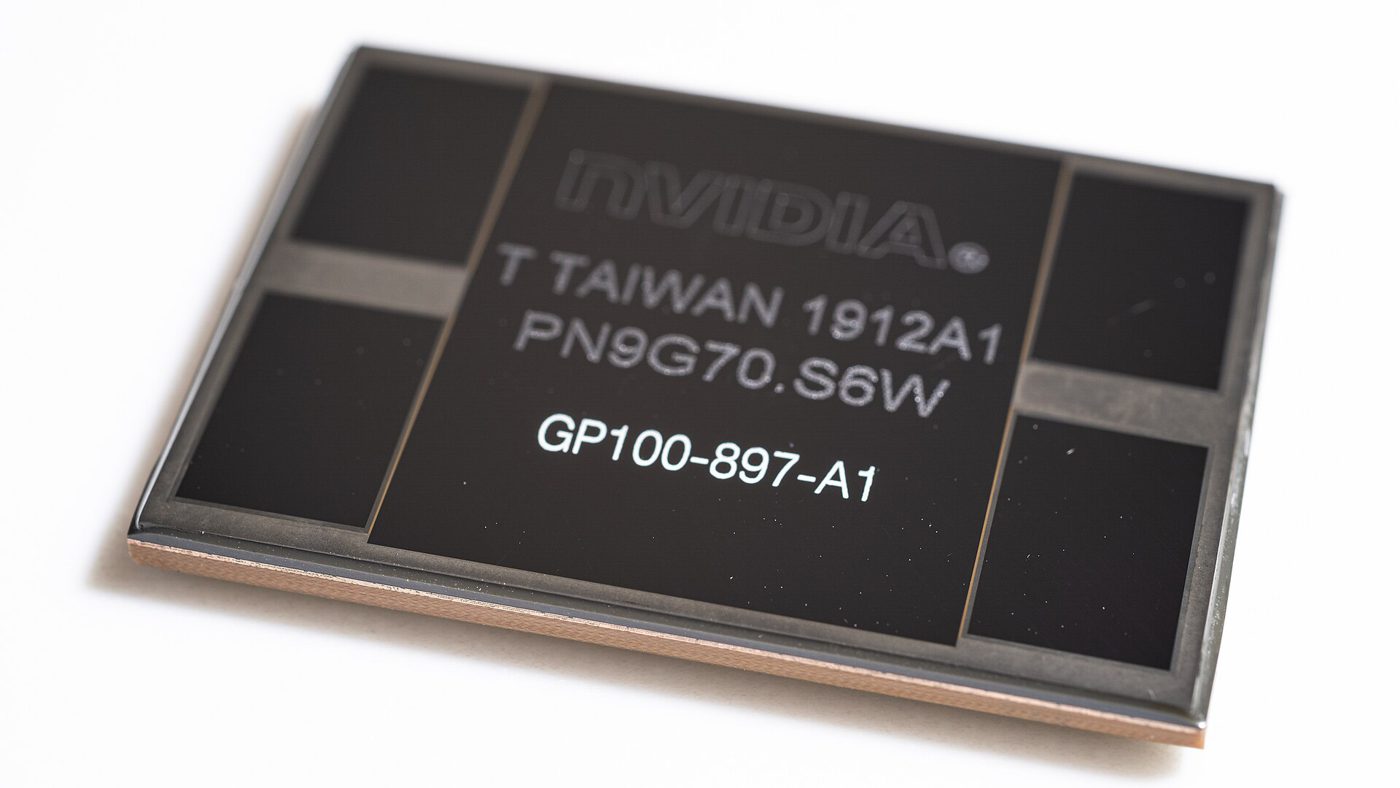
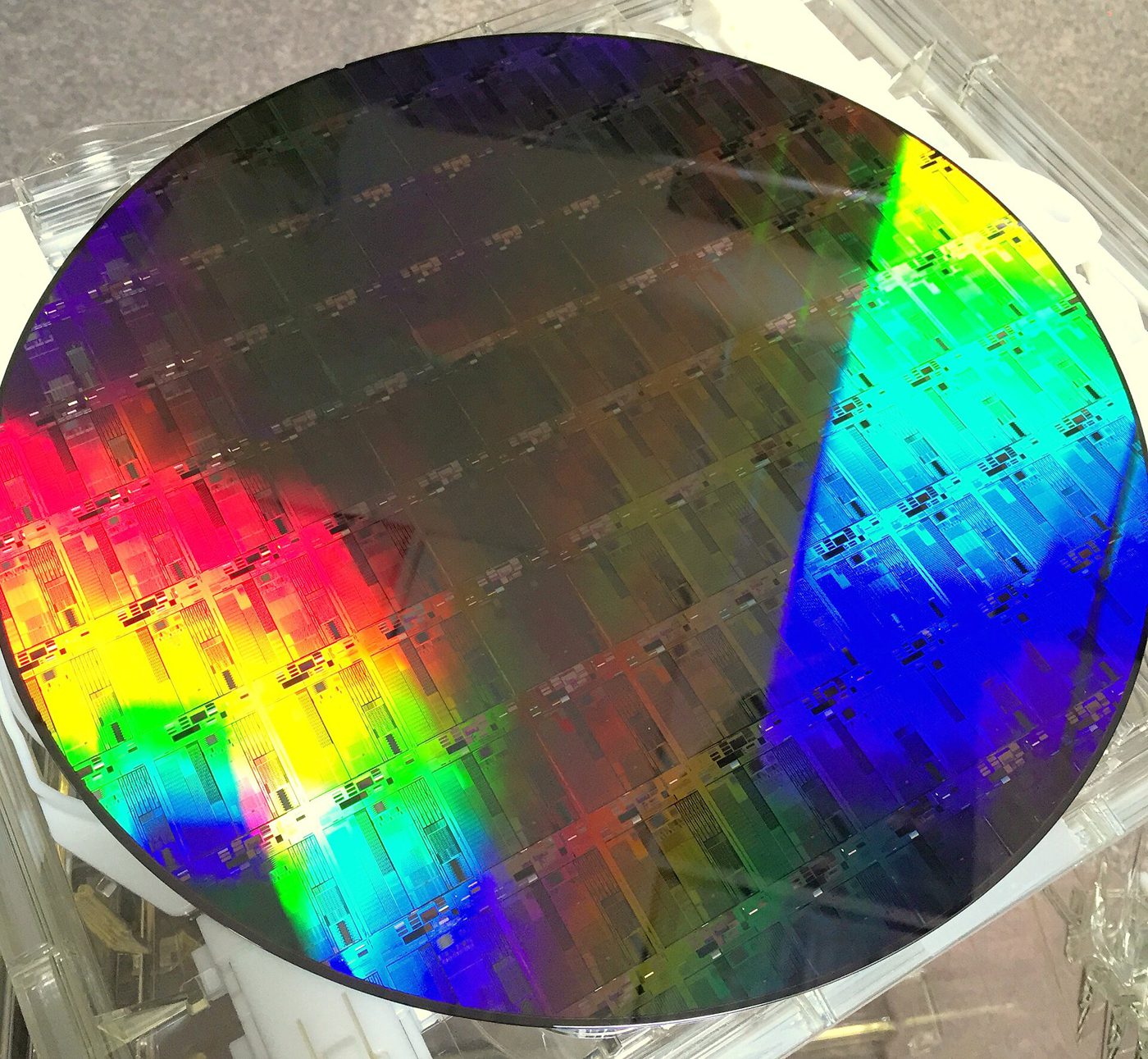
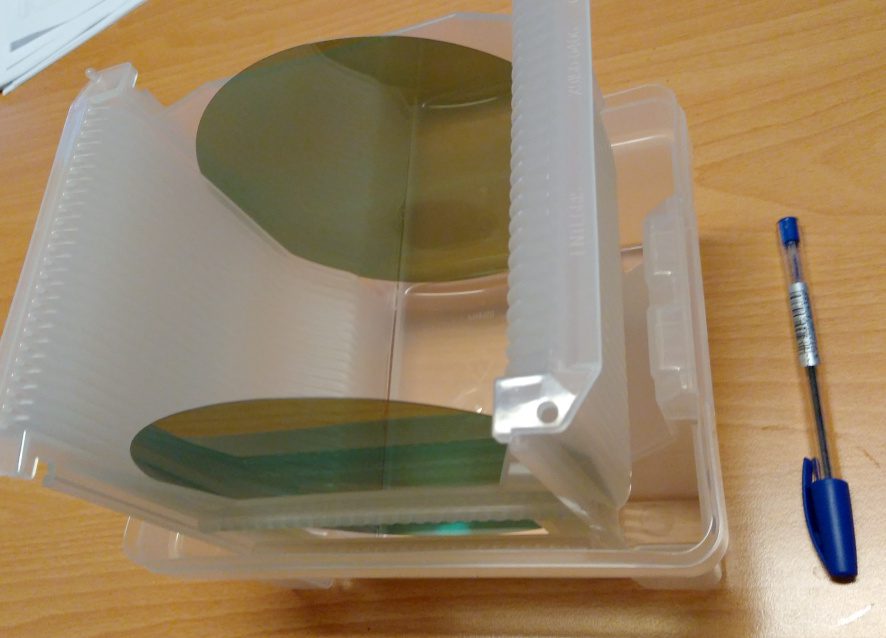
Chipmaking goes like this: the fab makes a whole wafer holding dozens to hundreds of chips; the wafer is cut and the chips packaged; then they go onto boards and into servers. Burn-in can sit at two of those steps.
晶片的製造順序是:晶圓廠做出一整片晶圓,上面有幾十到幾百顆晶片;切開、封裝;再上板子出貨。老化測試可以放在兩個位置。
Package-level (after packaging): the traditional way. Aehr's product is Sonoma. The industry knows it well; the drawback is that by the time a failure shows up, the package is already sealed.
封裝級(包好之後測):這是傳統做法。Aehr 的產品叫 Sonoma。好處是業界熟悉;壞處是發現壞的時候,整包已經封好了。
Wafer-level (before cutting, the whole wafer at once): Aehr's FOX-XP holds nine 300mm wafers at a time. Each wafer gets its own fixture (WaferPak) that touches every chip on the wafer simultaneously, with up to 3,500 watts per wafer.
晶圓級(切開之前、整片一起測):Aehr 的 FOX-XP 機台一次放 9 片 12 吋晶圓,每片用一片專屬的測驗夾具(WaferPak)同時接觸晶圓上每一顆晶片,每片最多供電 3,500 瓦。
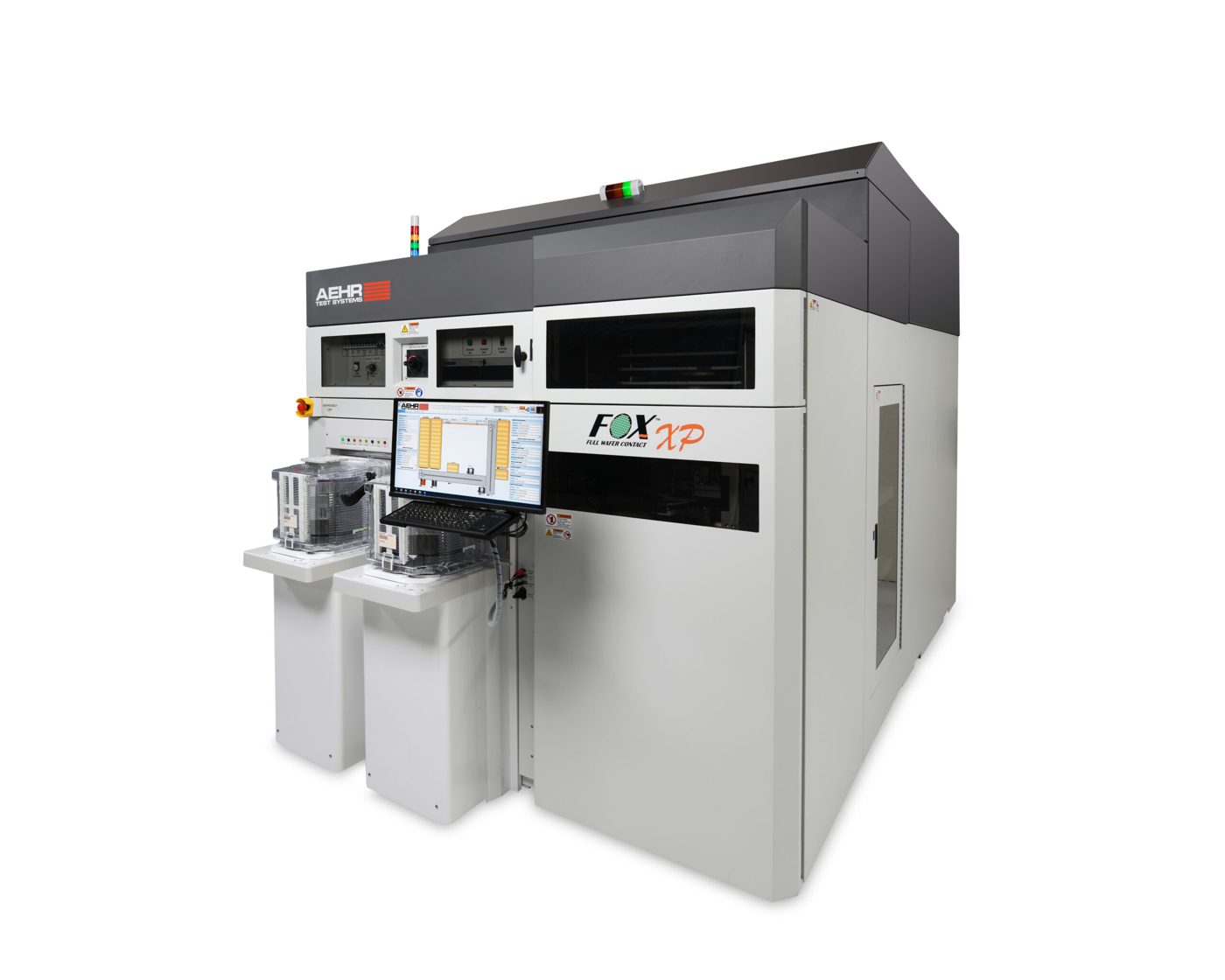
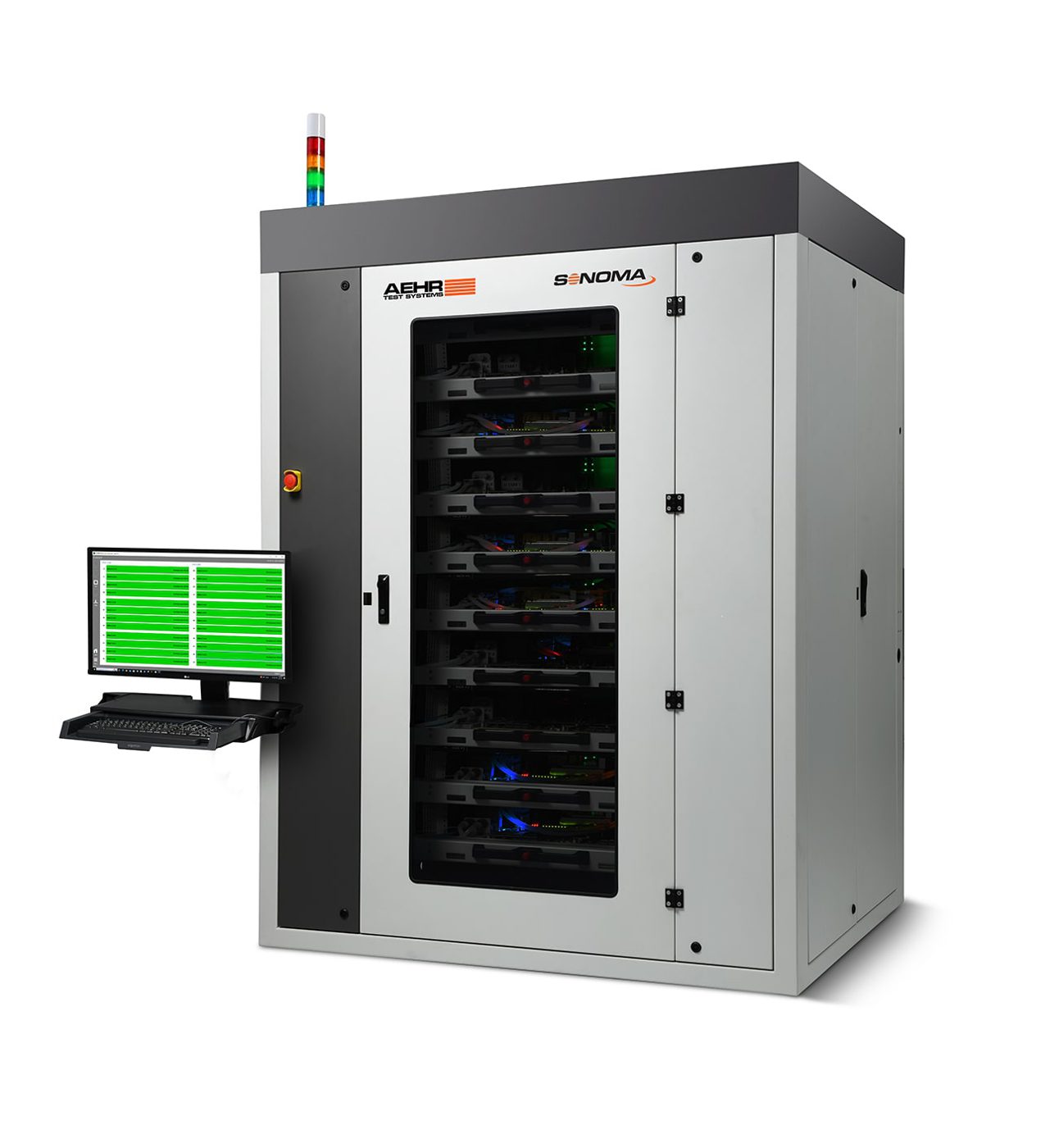
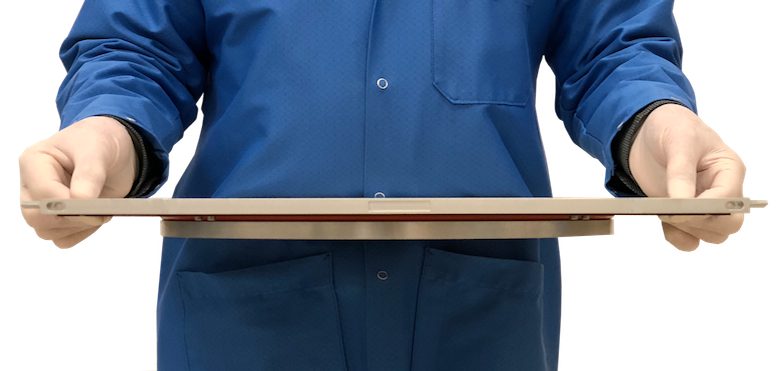
The upside of wafer-level is catching bad chips before they drag down other chips and memory. The hard part is contacting, powering and temperature-controlling hundreds of chips on one wafer at once. That is Aehr's long-standing specialty.
晶圓級的好處是:在封裝之前就把壞的篩掉,不會連累別的晶片和記憶體。難處是:要在一整片晶圓上同時接觸幾百顆晶片、同時供電、同時控溫。這是 Aehr 做了很久的專長。
The more chips per package, the better wafer-level pays. The cloud customer is considering wafer-level for its third-generation chip, though management says not this fiscal year.
晶片封裝裡的晶片數越多,晶圓級就越划算。雲端大客戶的第三代晶片正在考慮改用晶圓級,但管理層說這不在今年。
Aehr's own pitch is that it sells both kinds, so a customer moving from package-level to wafer-level stays its customer. The CEO: "we have two dogs in that race." (company claim; no independent share data)
Aehr 自己的說法,是它同時賣這兩種機台,客戶從封裝級轉向晶圓級時,還是它的客戶。執行長說「那場比賽裡我們有兩隻狗」。 (公司說法,本研究沒有獨立市占資料)
Inside data centers, more and more traffic between servers travels as light. Building the laser and the optical circuit onto a silicon chip is called silicon photonics.
資料中心裡,伺服器之間越來越多用光來傳資料。把雷射和矽晶片做在一起,叫矽光子(silicon photonics)。
Aehr's press release says that screening out latent defects and stabilizing the integrated lasers before packaging raises yield and lowers cost.
Aehr 的新聞稿說,在封裝之前先篩掉有潛在缺陷的晶片、讓整合進去的雷射先穩定下來,可以提高良率、降低成本。
Optical customers use the same fully automated FOX-XP; Aehr has no separate optical machine. All three optical order releases name the FOX-XP. (Aehr PRs 2026-03-31, 06-17, 08-04)
光通訊客戶用的是同一台 FOX-XP 全自動機台,Aehr 沒有另外的光通訊專用機型。三則光通訊訂單新聞稿寫的都是 FOX-XP。 (Aehr 新聞稿 2026-03-31、06-17、08-04)
Optical was about 20% of fiscal 2026 revenue. The main optical customer ordered another fully automated wafer-level machine in August, due to ship in the first half of 2027.
2026 財年,光通訊占營收約 20%。主要光通訊客戶 8 月追加一台全自動晶圓級機台,預計 2027 年上半年出貨。
Silicon carbide (SiC) is the power-chip material in electric-car inverters, and those chips get burned in too.
碳化矽(SiC)是電動車逆變器用的功率晶片,也要做老化測試。
Two years ago more than 95% of Aehr's business was tied to electric-car SiC; in fiscal 2026 it was under 5%.
兩年前 Aehr 九成五以上的生意綁在電動車碳化矽;2026 財年剩不到 5%。
There are signs of recovery: about $8M of new SiC fixture orders in the month before July, plus an order placed directly by a major carmaker.
這一塊有回溫跡象:7 月前的一個月內,碳化矽夾具新訂單約 800 萬美元,也拿到一家大車廠直接下的單。
Aehr's moats mainly protect its seat at customers that already use it, not the industry as a whole. Demand for burn-in will keep growing; that part is solid. Whether rivals take a slice depends on the three walls below.
Aehr 的護城河主要保護的是「它在已經用它的客戶那裡的位子」,不是整個產業。老化測試這個需求會越來越大,這一點很穩;但這塊餅會不會被別人切走,要看下面三道牆。
One piece, and a narrow one.
有一塊,但範圍很窄。
In other words, Aehr is the best current choice, not the only one. Replacing it costs a customer the time to re-qualify, but every new chip generation is a fresh choice. That is why we do not give it a monopoly multiple.
換言之,Aehr 是目前最好的選擇,不是唯一的選擇。客戶換掉它,要付出重新驗證的時間;但每一代新晶片,客戶都可以重選。這也是本研究不給它壟斷公司倍數的原因。
How it works: one fixture has to reach every chip on a wafer, power each one and hold each one's temperature, with nine wafers in one machine. That is hard engineering. Aehr holds 125 active patents in the US, Singapore, China, Germany and elsewhere, with 100+ more pending.
機制:要讓一片夾具同時碰到一整片晶圓上的每一顆晶片、每一顆都供電、每一顆都控溫,而且一台機器同時做 9 片,是很難做的工程。Aehr 在美國、新加坡、中國、德國等地有 125 項有效專利,還有 100 多項申請中。
What would break it: a large tester maker such as Advantest decides to enter wafer-level burn-in, or customers build their own.
要打破它,世界必須發生什麼:大型測試設備商(例如 Advantest 愛德萬測試)決定投入晶圓級老化測試,或者客戶自己開發。
How it erodes: the low end already has a rival. China's SemiNexus (formerly SemiTest, now incorporated in Malaysia) competes for SiC orders; Aehr is suing it for patent infringement in China, and Beijing's patent office upheld two of Aehr's Chinese patents.
會怎麼被侵蝕:低階市場已經有對手。中國的 SemiNexus(前身 SemiTest,改在馬來西亞註冊)在碳化矽搶單,Aehr 正在中國打專利官司,北京的專利機關維持了 Aehr 兩項中國專利。
What to watch: whether Advantest or Teradyne mention wafer-level burn-in in product launches or earnings calls.
要看什麼:Advantest、Teradyne(泰瑞達)的產品發表或法說是否提到晶圓級老化測試。
How it works: a customer spends months settling the test conditions, times and pass-fail rules for each chip. After that, the whole line is built around the machine. The lead AI processor customer moved all its production burn-in onto Aehr's wafer-level machines and dropped system-level screening altogether.
機制:客戶要花好幾個月,才能確定某一顆晶片的測驗條件、時間、篩選標準。驗證完成後,整條產線的流程都照這台機器設計。領頭的 AI 處理器客戶已經把所有量產老化測試搬到 Aehr 的晶圓級機台上,也不再做整機層級的篩選。
How it erodes: this wall only protects the current chip. With each new chip generation, the customer can pick again.
會怎麼被侵蝕:這道牆只保護「現有的晶片」。每一代新晶片,客戶都可以重新選供應商。
What to watch: whether each new chip generation stays with Aehr (press releases usually say "follow-on order" or "new design").
要看什麼:每一代新晶片是否繼續用 Aehr(公司的新聞稿通常會說「追加訂單」或「新設計」)。
How it works: every new chip needs new fixtures. Consumables were 31% of last quarter's sales.
機制:每一種新晶片都要新的夾具。上一季耗材占營收 31%。
How it erodes: if customers stop expanding and no new chip designs arrive, consumables shrink too. Steadier than machines, but not a subscription.
會怎麼被侵蝕:如果客戶擴產停下來、也沒有新晶片設計,耗材也會跟著少。它比機台穩,但不是訂閱制。
What to watch: whether consumables hold around 30% of sales in each report.
要看什麼:財報中耗材營收占比是否維持在三成左右。
This is not a wall; it is the company's biggest risk. In fiscal 2026 the top three customers were 26%, 14% and 11% of sales, and the top five were 70%.
這不是一道牆,是這家公司最大的風險。2026 財年前三大客戶占 26%、14%、11%,前五大占七成。
In other words, Aehr's sales rhythm is essentially the expansion rhythm of two or three customers.
換言之,Aehr 的營收節奏,基本上等於兩三家客戶的擴產節奏。
Aehr has four growth routes, and they differ a lot in how certain they are.
Aehr 有四條成長路線,確定程度差很多。
Happening已經在發生
More AI demand means more wafers from the foundry, which means more wafer-level machines and fixtures. This customer doubled its machine count last year, added a $22M order in August, and Aehr says its production plans go "beyond this order". The lever is unit volume.
AI 需求上升,客戶向晶圓廠要到更多晶圓;晶圓變多,需要更多晶圓級老化機台和夾具。這家客戶去年機台數量翻倍,8 月又追加 2,200 萬美元訂單,公司說客戶的量產計畫「超過這張訂單」。槓桿是出貨量。
Happening, but delayed已經在發生,但有延遲
A cloud giant designs its own AI chips (custom ASICs), and each generation needs new Sonoma machines and sockets. In April it placed a record $41M production order. The second chip draws twice the power of the first, but its ramp has slipped a little; it should at least begin this fiscal year. The lever is chip generations and power per chip.
雲端大廠自己設計 AI 晶片(客製化 ASIC),每一代晶片都要新的 Sonoma 機台和測試座。4 月這家客戶下了 4,100 萬美元的量產訂單,是公司紀錄。第二顆晶片的耗電是第一顆的兩倍,但量產時間有點延後,預計今年內「至少開始爬坡」。槓桿是晶片代數和每代的耗電。
Evaluating評估中
A "top-tier AI processor supplier" tested its current high-volume chip on Aehr's machines and got better results than at package level. It now wants pilot-production validation at its foundry in Taiwan and asked to evaluate a second chip in parallel. Aehr says one chip's revenue would be "significant", but none of it is in this year's guidance. This is the heart of the bull case and the least certain route.
一家「頂級 AI 處理器供應商」在 Aehr 機台上測過它目前的大量出貨晶片,結果比它在封裝級能做到的還好,現在想在台灣的晶圓代工廠做試產驗證,並要求同時評估第二顆晶片。公司說這一顆晶片的潛在營收「對 Aehr 很大」,但完全沒有放在今年財測裡。這是樂觀情境的核心,也是最不確定的一條。
In talks洽談中
Aehr has finished a test with a leading NAND flash maker and is talking with other memory makers about HBM. Management says flash could order in fiscal 2027 and ramp in fiscal 2028; the dedicated machine modules take 12 to 18 months to develop.
Aehr 已經和一家快閃記憶體龍頭廠完成測試,也在和其他記憶體廠談 HBM。管理層說快閃記憶體可能在 2027 財年下單、2028 財年放量,專用的機台模組要 12 到 18 個月開發。
Putting them together: management says most, or even all, of this year's $130M to $150M comes from existing customers, roughly 70% AI, 15% to 20% optical and the rest power chips. No memory, and nothing from the top-tier AI chip maker.
這四條加在一起,管理層說今年的 1.3 億到 1.5 億美元,大部分甚至全部來自現有客戶;AI 約七成、光通訊一成五到兩成、其他是功率半導體。沒有記憶體,也沒有那家頂級 AI 晶片商。
A good picks-and-shovels company has two traits. First, it earns no matter which AI chip maker wins. Second, every AI server needs it, like the chip that manages the server.
好的賣鏟子公司有兩個特徵。第一,不管哪家 AI 晶片商贏,它都賺。第二,每一台 AI 伺服器都需要它,例如管理伺服器的晶片。
Does it earn whoever wins? No. Aehr's revenue rests on two or three specific customers. If they lose share, or switch test methods, Aehr's orders fall with them.
不管誰贏都賺嗎?不是。Aehr 的營收押在兩三家特定客戶。這些客戶若在競爭中輸了,或改用別的測法,Aehr 的訂單就跟著少。
Does every chip need it? Also no. The CEO himself said many chips still don't get production burn-in (call, 2026-04-07). Those that do don't all use wafer level, let alone Aehr.
每一顆都需要嗎?也不是。執行長自己說,很多晶片目前還沒有做量產老化測試(逐字稿 · 2026-04-07)。做了的,也不一定用晶圓級,更不一定用 Aehr。
In other words, Aehr earns from chosen customers expanding, not from the whole AI buildout. That is one more reason we don't give it a platform-stock multiple.
換言之,Aehr 賺的是「被選中的客戶在擴產」,不是「整個 AI 建設在擴張」。這是本研究不給它平台股倍數的另一個理由。
Last quarter's $60.7M of orders was more than five times the $11.1M a year earlier. Effective backlog (backlog plus orders taken between quarter-end and the report) was $100.6M, about 70% of this year's guidance midpoint. In other words, 70% of this year is already in hand.
上一季接單 6,070 萬美元,比一年前的 1,110 萬美元多五倍以上。有效在手訂單(在手訂單,再加上季度結束後到財報發布前新接的單)1.006 億美元,等於今年財測中值的七成。換言之,今年的財測有七成已經在手上,不是畫大餅。
The more chips sealed in one package, the costlier a failure found after packaging. That trend is not reversing, and Aehr has more wafer-level burn-in experience than anyone.
一包裡塞越多顆晶片,封裝後才發現壞掉的代價越高。這個趨勢不會回頭,而 Aehr 是晶圓級老化測試裡最有經驗的廠商。
Fremont can build about 20 machines a month, and the Southeast Asian contract maker can add 20+ Sonomas a month. The CEO says capacity does not limit them even at $150M.
Fremont 工廠每月約可出 20 台機台;東南亞代工廠另外可以每月出 20 台以上的 Sonoma。執行長說就算做到 1.5 億美元,產能也不受限。
About $116M of cash at the end of May 2026, no borrowings beyond leases, and only $2.1M of capital spending a year. Last quarter's adjusted gross margin was 45%, ten points higher than a year earlier, on bigger volume, fuller factories and a better product mix.
2026 年 5 月底現金約 1.16 億美元,負債只有租賃;一年的資本支出只有 210 萬美元。上一季調整後毛利率 45%,比一年前多 10 個百分點,原因是營收變大、工廠產能用得更滿、產品組合較好。
Today's price is about 23 times this year's sales guidance midpoint and 125 times this year's expected profit. Over the last three completed fiscal years, its market value averaged only 6 to 12 times a year's sales.
現價約是今年財測營收中值的 23 倍、今年預估獲利的 125 倍。過去三個完整財年,它的市值平均只有年營收的 6 到 12 倍。
In other words, the market is paying for the Aehr of two years from now, and that Aehr needs customers who are still evaluating to place orders.
換言之,市場付的是「兩年後的 Aehr」的價錢,而那個 Aehr 還需要評估中的客戶下單才會出現。
From 2023 to 2025, Aehr's sales rested almost entirely on electric-car silicon carbide. When the main customer finished expanding, sales fell two years in a row and the stock went from a $52.16 monthly close to $7.29, down 86%. The customers are now AI companies, but the "two or three customers decide everything" structure has not changed.
2023 到 2025 年,Aehr 的營收幾乎全靠電動車碳化矽,主要客戶擴產結束後,營收連兩年下滑,股價從月收盤 52.16 美元跌到 7.29 美元,跌掉 86%。這次的客戶換成 AI,但「兩三家客戶決定一切」的結構沒有變。
The CFO said the first half is "likely the same or even better than the second half", because the Sonoma shipments bunch into Q2. So Aehr may exit the year running no faster than mid-year; growth next year has to come from new orders, not today's backlog.
財務長說,今年上半年「很可能和下半年一樣,甚至更好」,因為第二季要集中出貨 Sonoma。換言之,今年結束時的營收速度,可能並沒有比年中更快。明年要再成長,靠的是新的訂單,不是現有的在手訂單。
Some of Sonoma's power-supply vendors also supply NVIDIA and others, and they have raised prices 40%. If Aehr cannot pass that on, gross margin gets squeezed.
Sonoma 用的部分電源供應器,供應商同時也在供應 NVIDIA 等公司,已經漲價四成。如果 Aehr 沒辦法把成本轉給客戶,毛利率會被吃掉。
In fiscal 2026 the company raised about $100M, mostly by selling new shares into the market at prevailing prices (an at-the-market, or ATM, offering), including $60M finished in April. Shares outstanding went from about 29.9M to 32.62M, about 9% more.
2026 財年公司主要透過在市場上直接賣新股(市價增發,ATM)募到約 1 億美元,其中 4 月完成一筆 6,000 萬美元;流通股數從約 2,990 萬股增加到 3,262 萬股,約多了 9%。
As the stock peaked in August, CEO Gayn Erickson sold 40,000 shares through a trust at an average $130.84, about $5.2M, keeping about 355,000 (including unvested stock). The COO, a director and the EVP of sales also sold that month. (headlines only; amounts not checked)
8 月股價衝高時,執行長 Gayn Erickson 透過信託以均價 130.84 美元賣出 4 萬股,約 520 萬美元,賣後仍持有約 35.5 萬股(含未歸屬股票)。 同月營運長、一位董事和業務執行副總也有賣股紀錄。 (只核到新聞標題,金額未逐筆核對)
Insider selling does not have to mean pessimism; it can be taxes or diversification. But together with the company choosing to sell stock at high prices, it points one way: people inside are willing to turn shares into cash at this level.
內部人賣股不一定代表不看好,可能是稅務或分散資產。但它和公司選在高價增資,指向同一件事:公司內部的人也願意在這個價位把股份換成現金。
The CEO himself said that a year ago SiC customers all talked about a turnaround year but gave no detailed forecasts, so he chose to "believe it when I see the orders". The same standard should apply to the top-tier AI chip maker's evaluation.
執行長自己說,一年前碳化矽客戶都說會是反轉年,但沒給詳細預測,他選擇「看到訂單才相信」。同樣的標準,也應該用在頂級 AI 晶片商的評估上。
Market: every sell-side analyst rates it a buy. TradingView counts 8 analysts on Sep 29 with an average target of about $130 (low $110, high $175); stockanalysis counts 6 with an average of $128. The newest, Oppenheimer, started coverage on Sep 10 at Outperform with a $120 target.
Us: the company is improving, but those targets assume FY2028 sales near our bull case. Customers still evaluating are a lottery ticket not yet drawn. Our target counts only customers who have ordered; the ticket is treated separately and left out.
市場:賣方分析師全數給買進。TradingView 在 09-29 統計 8 位分析師,平均目標價約 130 美元,最低 110、最高 175;stockanalysis 統計 6 位、平均 128 美元。最新一家是 Oppenheimer,09-10 首次評等「優於大盤」,目標價 120 美元。
我們:本研究同意公司正在變好,但認為目標價隱含了 2028 財年接近樂觀情境的營收。評估中的客戶是一張還沒開獎的彩券。本研究的目標價只算已經下單的客戶,彩券另外看待,不算進去。
Market: treats Aehr as an "AI platform stock".
Us: it is still an equipment maker whose sales follow two or three customers' expansion cycles; the customers just changed from cars to AI. Platform multiples should wait until the customer count really grows.
市場:把 Aehr 當作「AI 平台股」。
我們:它仍是一家營收跟著兩三家客戶擴產節奏走的設備商,只是客戶從電動車換成了 AI。平台股的倍數,要等客戶數真的變多才給。
Market: treats this year's $130M to $150M as the next springboard.
Us: the CFO says the first half may match the second, so the year probably exits at a run rate of about $130M to $140M. FY2028 growth depends on orders not yet placed.
市場:把 1.3 億到 1.5 億美元的今年財測,當作下一個跳板。
我們:財務長說上半年可能不輸下半年,所以今年結束時的營收速度大約是每年 1.3 億到 1.4 億美元。2028 財年要成長,靠的是還沒下的單。
Where we could be wrong: if the top-tier AI chip maker goes to production, Aehr gains a customer as big as its lead customer, or bigger. The customer-concentration argument would then weaken sharply. This is the counter-evidence this analysis watches most closely.
本研究可能錯在哪裡:頂級 AI 晶片商如果轉量產,Aehr 會多一個和領頭客戶一樣大、甚至更大的客戶。那時「客戶集中」的主要空方論點會大幅減弱。這是本研究最在意的反方證據。
Our divergence, in one line: the market uses this year's backlog to prove growth and next year's imagination to set the price. This analysis pays only for orders it can see, and prices the evaluating customers as a separate option.
本研究的分歧:市場用今年的在手訂單證明成長,用明年的想像決定價格。本研究只替已經看得到的訂單付錢,把評估中的客戶當作一張另外計價的選擇權。
| Claim主張 | Verdict判定 | Value · source · date數值 · 來源 · 日期 |
|---|---|---|
| Price and valuation價格與估值 | ||
| 1. 09-28 收盤Sep 28 close | ✓ IBKR | $98.49, -5.65% · conid 4725941 |
| 2. 09-25 收盤Sep 25 close | ✓ IBKR | $104.39 |
| 3. 52 週區間52-week range | ✓ IBKR | $18.70–$147.40 · 08-14 intraday high |
| 4. 最高收盤Record close | ✓ IBKR | 08-17 $145.61 |
| 5. 09-03 收盤Sep 3 close | ✓ IBKR | $76.27 |
| 6. 2025 年底收盤End-2025 close | ✓ IBKR | $20.19 |
| 7. 今年以來漲幅Year-to-date gain | ◆ 計算computed | +388% (98.49 / 20.19) |
| 8. 7/14 至 7/15Jul 14 to 15 | ✓ IBKR | 72.01 to 87.79, +22% |
| 9. 7/31 至 8/4Jul 31 to Aug 4 | ✓ IBKR | 79.98 to 109.89, +37% |
| 10. 3 月底、4 月底月收盤End-March, end-April monthly close | ✓ IBKR | 37.08, 90.56 |
| 11. 2023-07、2025-03 月收盤Jul 2023, Mar 2025 monthly close | ✓ IBKR | 52.16, 7.29 (-86%) |
| 12. 流通股Shares outstanding | ✓ 10-K | 32,620,450 · 2026-07-20 |
| 13. 市值Market value | ◆ 計算computed | ~$3.21B · TV $3.217B |
| 64. 賣方共識與目標價Sell-side consensus and targets | ✓ TV · stockanalysis | TV 8, avg $130.29 (110–175) · 09-29; stockanalysis 6, avg $128; FY27 $140.85M / $0.79 (EPS: 2) · Oppenheimer $120 · 09-10 |
| Financials and guidance財報與財測 | ||
| 14. 員工Employees | ✓ 10-K | 138 |
| 15. FY26 第四季營收FQ4 FY26 revenue | ✓ 8-K | $18.8M vs $14.1M, +34% · 07-14 |
| 16. FY26 營收FY26 revenue | ✓ 8-K | $50.0M (FY25 $58.97M) |
| 17. FY23、FY24 營收FY23, FY24 revenue | ✓ TV · stockanalysis | $64.96M, $66.22M |
| 18. FY26 非 GAAP EPSFY26 non-GAAP EPS | ✓ 8-K | $0.03 (FY25 $0.15) |
| 19. 第四季非 GAAP EPSFQ4 non-GAAP EPS | ✓ 8-K | $0.11 |
| 20. FY26 GAAP 淨損FY26 GAAP net loss | ✓ 8-K | $(7.1)M, $(0.23) |
| 21. 第四季接單FQ4 bookings | ✓ 8-K | $60.7M record; prior year $11.1M |
| 22. 在手訂單Backlog | ✓ 8-K · 10-K | $80.6M (prior $15.2M) |
| 23. 有效在手訂單Effective backlog | ✓ 8-K | $100.6M |
| 24. FY27 財測FY27 guidance | ✓ 8-K · call | $130–150M; 18–22% (新聞稿寫淨利、電話會寫稅前net in release, pre-tax on call) |
| 25. 現金Cash | ✓ 8-K | $116.4M ($116.5M incl. restricted) |
| 26. 股東權益Equity | ✓ 8-K | $219.5M |
| 27. 商譽、無形資產Goodwill, intangibles | ✓ 8-K | $10.7M, $9.6M |
| 28. 遞延所得稅資產Deferred tax assets | ✓ 8-K | $23.8M |
| 29. FY26 毛利率FY26 gross margin | ✓ 8-K · TV | 35.3% |
| 30. 第四季非 GAAP 毛利率FQ4 non-GAAP gross margin | ✓ call | 45% vs 35% |
| 31. FY23 至 FY25 毛利率FY23–25 gross margin | ✓ stockanalysis | 50.4%, 49.2%, 40.6% |
| 32. FY23、FY24 GAAP EPSFY23, FY24 GAAP EPS | ✓ stockanalysis | 0.50, 1.12 |
| 33. FY24 一次性稅務利益FY24 one-time tax benefit | ✓ TV | 單季淨利約 $23.9Mone quarter's net income ~$23.9M |
| Revenue mix and customers營收組成與客戶 | ||
| 34. 應用別組成Mix by application | ✓ call | AI ~71%, optical ~20% |
| 35. 兩年前碳化矽占比SiC share two years ago | ✓ call | >95% |
| 36. FY26 碳化矽占比FY26 SiC share | ✓ call | <5% |
| 37. 第四季 AI 加光通訊FQ4 AI plus optical | ✓ call | >80% vs 56% |
| 38. FY27 財測組成FY27 guidance mix | ✓ call | AI ~70%, optical 15–20%, no memory |
| 39. 產品別By product | ✓ 10-K | wafer $31.5M 63%; package $18.5M 37% |
| 40. 前三大、前五大客戶Top 3 and top 5 customers | ✓ 10-K | 26%, 14%, 11%; top 5 ~70% |
| 41. 第四季三家大客戶FQ4 three big customers | ✓ call | 兩家 AI、一家光通訊two AI, one optical |
| 42. 海外營收Sales outside US | ✓ 10-K | ~59% |
| 43. 專利Patents | ✓ 10-K | 125 active, 100+ pending |
| 44. 耗材營收Consumables | ✓ call | FQ4 $5.8M, 31% (prior 30%) |
| Earnings call and press releases電話會與新聞稿 | ||
| 45. 晶圓級機台單價約 $6MWafer-level system ~$6M | ✗ 已刪除dropped | 只見於二手摘要,逐字稿找不到原句only in a secondary summary; not in the saved transcript |
| 46. Sonoma 單價Sonoma price | ✓ call | $600–700K |
| 47. 產能Capacity | ✓ call | ~20/mo Fremont; 20+/mo Sonoma SE Asia |
| 48. 電源供應器漲價Power-supply price rise | ✓ call | 40% |
| 49. 上半年可能不輸下半年First half may match second | ✓ call | CFO · 07-14 |
| 50. 領頭 AI 客戶Lead AI customer | ✓ call | 機台翻倍;量產全數改晶圓級doubled systems; all production burn-in at wafer level |
| 51. 8 月追加訂單August follow-on | ✓ Aehr PR | $22M FOX-XP · 2026-08-12 |
| 52. 雲端大客戶 4 月訂單Cloud customer April order | ✓ Aehr PR · call | $41M Sonoma |
| 53. 第二顆晶片Second chip | ✓ call | 耗電兩倍;略延後twice the power; slightly delayed |
| 54. 第三顆晶片Third chip | ✓ call | 考慮晶圓級;不在本財年considering wafer level; not this fiscal year |
| 55. 頂級 AI 晶片商評估Top-tier AI chip maker | ✓ call | 超過預期;台灣試產;不在財測beat expectations; Taiwan pilot; not in guidance |
| 56. 記憶體Memory | ✓ call | 快閃龍頭完成測試;HBM 洽談NAND leader benchmark done; HBM talks |
| 57. 光通訊 8 月追加Optical August order | ✓ Aehr PR | FOX-XP, 9 wafers, 3,500W · 2026-08-04 |
| 58. Sonoma 每顆供電Sonoma power per device | ✓ Aehr PR | 2,000W · 2026-01-08 |
| 59. 碳化矽新單New SiC orders | ✓ 8-K | ~$8M in a month |
| 60. SemiNexus 與中國專利SemiNexus, China patents | ✓ call | 兩項專利獲維持two patents upheld |
| 65. Incal 收購Incal acquisition | ✓ call FQ3 | 約 2024 下半年around 2H 2024 |
| Capital and insiders資本與內部人 | ||
| 61. 增資Share sales | ✓ call · 8-K | ~$100M FY26; $60M done 04-17 |
| 62. 執行長賣股CEO sale | ✓ Form 4 | 40,000 @ $130.84 · 08-12 |
| 63. 其他內部人 8 月賣股Other August insider sales | ⚠ 只核到標題headlines only | TV news 08-05 to 08-18 |
| Dropped or unverified side claims已刪除或未驗證的旁支說法 | ||
| 老化測試市場規模Burn-in market size | ✗ 已刪除dropped | 來源不明unknown source |
| 可服務市場 10 億美元$1B addressable market | ✗ 已刪除dropped | 來源不明unknown source |
| FY28 營收 2.5 億的分析師看法An analyst's $250M FY28 view | ✗ 已刪除dropped | 單一匿名來源single anonymous source |
| Sonoma 交期 14 個月Sonoma 14-month lead time | ✗ 已刪除dropped | 部落格來源blog source |
| 記憶體洽談家數Count of memory makers in talks | ✗ 已刪除dropped | 只見於摘要summary only |
| 封裝級對手名單Package-level rival list | ⚠ 未驗證unverified | 產業報告摘要report summary |
Computed, not disclosed: market value, all multiples, year-to-date gain, the historical P/E and price-to-sales bands, FY2026 revenue by application, scenarios, and the sales today's price implies. The customers' names are not disclosed by Aehr, and this page does not guess them.本研究自算、非公司揭露:市值、各種倍數、今年以來漲幅、歷史本益比與股價營收比區間、2026 財年應用別金額、情境,以及現價隱含的營收。Aehr 沒有公開客戶名稱,這份報告也不猜。


